

 RIGHT DOSE PICKS
البروتين
RIGHT DOSE PICKS
البروتين
 RIGHT DOSE PICKS
الأداء والطاقة
RIGHT DOSE PICKS
الأداء والطاقة

 RIGHT DOSE PICKS
التنشيف
RIGHT DOSE PICKS
التنشيف
 RIGHT DOSE PICKS
سناكس وأكل صحي
RIGHT DOSE PICKS
سناكس وأكل صحي

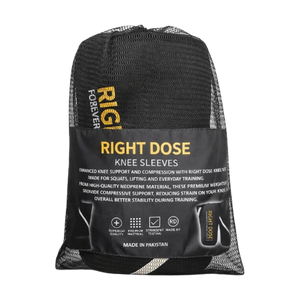
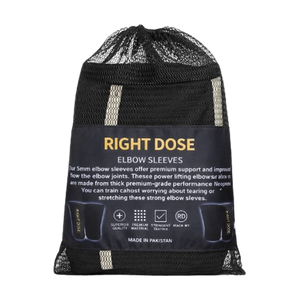
 RIGHT DOSE PICKS
إكسسوارات الجيم
RIGHT DOSE PICKS
إكسسوارات الجيم RIGHT DOSE PICKS
الباندلز
RIGHT DOSE PICKS
الباندلز

 RIGHT DOSE PICKS
البراندات
RIGHT DOSE PICKS
البراندات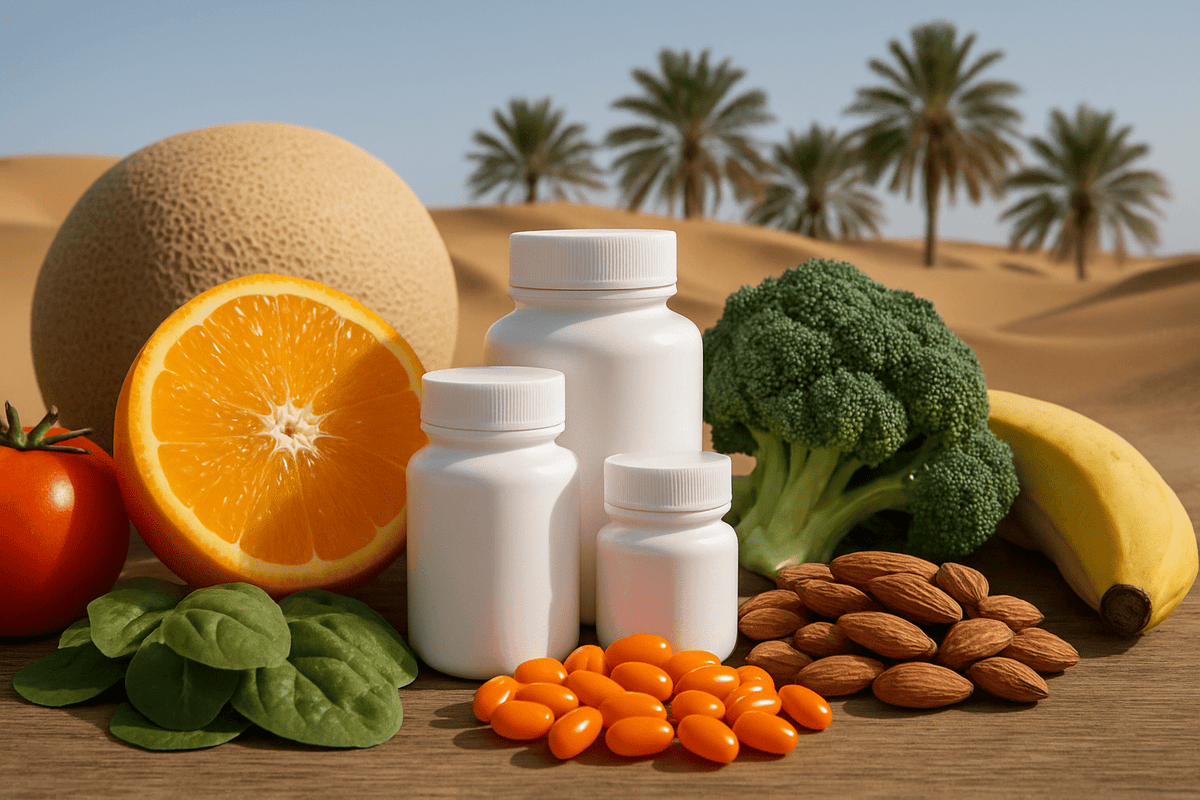
Understanding the UAE's Climatic Challenges on Human Physiology
The Arabian Peninsula's harsh desert environment presents unique physiological stressors that significantly impact the human body's nutritional requirements. With ambient temperatures frequently exceeding 45°C during summer months and humidity levels fluctuating dramatically between coastal and inland regions, residents face unprecedented challenges in maintaining optimal health. The relentless solar radiation, combined with extreme heat exposure, creates a cascade of metabolic demands that conventional nutritional approaches often fail to address adequately.
Thermoregulation becomes a primary concern when the body continuously battles hyperthermia. This process demands substantial energy expenditure and depletes essential micronutrients at accelerated rates. Furthermore, the propensity for excessive perspiration leads to electrolyte imbalances and rapid dehydration, compromising cellular function across multiple organ systems.
Heat-Induced Nutritional Depletion
Extreme temperatures trigger enhanced metabolic processes that consume vitamins and minerals at rates significantly higher than temperate climates demand. Profuse sweating eliminates water-soluble vitamins, particularly B-complex compounds and ascorbic acid, while simultaneously depleting crucial minerals through dermal losses. The body's natural cooling mechanisms, though effective, create nutritional deficits that accumulate over time without proper supplementation.
Oxidative stress intensifies under prolonged heat exposure, necessitating increased antioxidant protection. Free radical formation accelerates, potentially overwhelming the body's endogenous defense systems. This phenomenon particularly affects individuals engaging in outdoor activities or those with occupational heat exposure.
Humidity and Mineral Balance
The UAE's coastal regions experience oppressive humidity that impairs natural evapotranspiration processes. This environmental factor complicates thermoregulation and extends exposure periods to heat stress. Consequently, mineral losses through perspiration become more pronounced, particularly affecting sodium, potassium, magnesium, and zinc homeostasis.
"Living in extreme heat conditions requires a fundamental shift in how we approach nutrition and supplementation. The body's increased demands cannot be met through diet alone." - Clinical Nutritionist specializing in desert climate health
Critical Vitamin Requirements for Optimal Health in Hot Climates
Navigating the nutritional landscape of desert living demands precise understanding of which vitamins become critically important under extreme thermal stress. The physiological adaptations required for survival in scorching temperatures create amplified nutritional demands that far exceed standard dietary recommendations. These essential micronutrients serve as cofactors in numerous enzymatic processes that become hyperactive during heat adaptation.
Vitamin D: The Paradoxical Deficiency
Despite abundant sunshine throughout the year, vitamin D deficiency remains surprisingly prevalent among UAE residents. This counterintuitive phenomenon occurs due to lifestyle adaptations that minimize sun exposure during peak radiation hours. Air-conditioned environments, protective clothing, and sunscreen usage, while necessary for preventing heat-related illnesses, significantly reduce cutaneous vitamin D synthesis.
The consequences extend beyond bone health, affecting immune function, cardiovascular wellness, and mood regulation. Optimal vitamin D levels support calcium absorption and phosphorus metabolism while modulating inflammatory responses that intensify under heat stress.
B-Complex Vitamins: Energy Metabolism Enhancers
The B-vitamin constellation plays indispensable roles in energy metabolism, becoming increasingly crucial when cellular respiration operates under thermal duress. Thiamine (B1) facilitates carbohydrate oxidation, while riboflavin (B2) supports electron transport chain efficiency. These processes intensify dramatically during heat adaptation, creating heightened demands for these crucial cofactors.
Pyridoxine (B6) becomes particularly vital for protein metabolism and neurotransmitter synthesis, both of which experience increased turnover rates in hot climates. Cobalamin (B12) and folate work synergistically to support red blood cell formation, essential for maintaining oxygen delivery capacity during thermal stress.
Specialized Supplement Solutions for UAE Residents
Recognizing the unique nutritional challenges faced by individuals living in the UAE's demanding climate, comprehensive supplementation strategies become essential for maintaining optimal health and performance. Right Dose's carefully curated vitamin collection addresses these specific regional needs through scientifically formulated products that target heat-related nutritional deficiencies.
The extensive vitamin portfolio available through Right Dose encompasses premium formulations specifically selected for their bioavailability and efficacy in hot climate conditions. These products undergo rigorous quality testing to ensure purity and potency, meeting the stringent standards required for optimal health outcomes in challenging environmental conditions.
Each formulation considers the unique absorption challenges presented by heat stress, dehydration tendencies, and accelerated nutrient turnover rates common among UAE residents. The collection features both individual vitamin supplements and comprehensive multivitamin complexes designed to address the multifaceted nutritional demands of desert living.
Antioxidant Complexes for Heat Protection
Sophisticated antioxidant formulations provide crucial protection against the intensified oxidative stress characteristic of extreme heat exposure. These advanced supplements typically combine vitamins C and E with selenium and zinc, creating synergistic protection against free radical damage. The enhanced bioavailability of these formulations ensures optimal absorption even under the challenging conditions of heat-induced gastrointestinal stress.
Specialized delivery systems, including liposomal encapsulation and sustained-release matrices, maximize nutrient retention and utilization. These technological advances prove particularly beneficial for individuals experiencing rapid nutrient turnover due to excessive perspiration and metabolic acceleration.
Immune Support Formulations
Heat stress significantly compromises immune function, necessitating targeted supplementation to maintain defensive capabilities. Vitamin C emerges as a cornerstone nutrient, supporting collagen synthesis, wound healing, and antioxidant protection. However, the water-soluble nature of ascorbic acid requires frequent replenishment, especially given the accelerated excretion rates common in hot climates.
Vitamin A and its precursors support epithelial integrity, crucial for maintaining barrier function against environmental pathogens. The combination with zinc enhances immune cell proliferation and function, providing comprehensive protection against the immunosuppressive effects of chronic heat exposure.
Essential Minerals and Their Synergistic Relationships
While vitamins capture significant attention in supplementation discussions, essential minerals form the foundation upon which all physiological processes depend. The extreme climate conditions prevalent throughout the UAE create unprecedented demands for these inorganic nutrients, particularly those lost through extensive perspiration and metabolic acceleration.
Electrolyte Balance and Cellular Function
Sodium and potassium maintain the delicate equilibrium necessary for proper cellular function, nerve transmission, and muscle contraction. The copious sweating characteristic of UAE's climate rapidly depletes these essential electrolytes, potentially leading to cramping, fatigue, and cognitive impairment. Proper replacement requires careful attention to ratios and bioavailability.
Magnesium serves as a cofactor in over 300 enzymatic reactions, many of which accelerate under heat stress. This mineral supports protein synthesis, blood glucose control, and blood pressure regulation. Deficiency symptoms often manifest as muscle cramps, irregular heartbeat, and persistent fatigue.
| Mineral | Daily Requirement (Hot Climate) | Primary Function | Deficiency Symptoms |
|---|---|---|---|
| Magnesium | 400-500mg | Enzyme cofactor, muscle function | Cramps, fatigue, irregular heartbeat |
| Zinc | 15-20mg | Immune function, wound healing | Poor healing, frequent infections |
| Iron | 18-25mg | Oxygen transport | Fatigue, weakness, pale skin |
Trace Elements for Optimal Performance
Chromium enhances glucose metabolism, becoming particularly important when heat stress affects blood sugar regulation. Selenium functions as a crucial component of glutathione peroxidase, providing antioxidant protection against the elevated free radical production characteristic of extreme heat exposure.
Copper supports iron utilization and collagen formation while participating in energy production pathways that intensify during thermal adaptation. These trace elements, though required in minute quantities, prove indispensable for maintaining physiological homeostasis under challenging environmental conditions.
Timing and Dosage Optimization Strategies
Effective supplementation extends beyond merely selecting appropriate nutrients; optimal timing and dosing strategies significantly influence bioavailability and therapeutic outcomes. The circadian rhythms, meal patterns, and activity schedules common among UAE residents require careful consideration when developing personalized supplementation protocols.
Morning administration of B-complex vitamins supports energy metabolism throughout the demanding daytime hours when heat stress peaks. Conversely, magnesium supplementation proves most beneficial during evening hours, promoting muscle relaxation and supporting restorative sleep quality.
Absorption Enhancement Techniques
Fat-soluble vitamins (A, D, E, K) require lipid co-administration for optimal absorption. Consuming these supplements with meals containing healthy fats significantly improves bioavailability. Conversely, water-soluble vitamins benefit from consumption on relatively empty stomachs, avoiding competition with other nutrients for absorption transporters.
Chelated mineral forms demonstrate superior absorption compared to inorganic salts, particularly important when gastrointestinal function may be compromised by heat stress. Amino acid chelation protects minerals from interference by other dietary components while enhancing cellular uptake.
Hydration and Supplement Efficacy
Adequate hydration proves fundamental for supplement effectiveness, particularly in hot climates where dehydration commonly occurs. Water-soluble vitamins require sufficient fluid for proper dissolution, absorption, and cellular transport. Dehydration compromises these processes, reducing supplement efficacy despite appropriate dosing.
- Consume supplements with adequate water intake (minimum 8 ounces)
- Space doses throughout the day for sustained nutrient levels
- Monitor urine color as hydration indicator
- Adjust timing based on individual tolerance and lifestyle factors
- Consider sustained-release formulations for extended nutrient delivery
Frequently Asked Questions About Vitamin Needs in Hot Climates
How do I know if I'm getting enough vitamins for the UAE climate?
Recognizing vitamin deficiency symptoms becomes crucial for maintaining optimal health in extreme heat conditions. Persistent fatigue despite adequate rest, frequent minor illnesses, slow wound healing, and muscle cramps often indicate insufficient vitamin and mineral intake. Regular blood testing provides objective assessment of nutritional status, particularly for vitamins D, B12, and iron levels.
Energy levels throughout the day serve as reliable indicators of B-vitamin adequacy. Individuals experiencing mid-afternoon crashes or difficulty concentrating may benefit from enhanced B-complex supplementation. Skin health also reflects vitamin status, with dryness, irritation, or slow healing suggesting deficiencies in vitamins A, C, or E.
Can I rely on food alone for vitamin needs in hot weather?
While a balanced diet forms the foundation of good nutrition, the extreme demands of UAE's climate often exceed what food alone can provide. Heat stress accelerates nutrient turnover rates while simultaneously reducing appetite and altering food preferences. Many individuals gravitate toward lighter meals during hot weather, potentially compromising nutrient density.
Additionally, food storage and preparation challenges in hot climates may reduce vitamin content. Prolonged storage, exposure to heat during transport, and oxidation from frequent refrigerator opening can significantly diminish the nutritional value of fresh produce.
Are there any vitamin interactions I should avoid?
Understanding nutrient interactions prevents antagonistic effects and optimizes supplementation outcomes. Iron supplementation can interfere with zinc absorption when taken simultaneously, necessitating separated dosing schedules. Calcium may reduce iron absorption, making timing considerations crucial for individuals requiring both nutrients.
Vitamin E supplementation should be monitored carefully in individuals taking anticoagulant medications, as enhanced bleeding risk may occur. Similarly, high-dose vitamin C can affect blood glucose testing accuracy, important for diabetic individuals managing their condition in challenging climate conditions.